Trump Signs Order Establishing Task Force To Probe Food Price Fixing
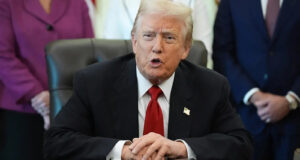
President Donald Trump has issued a new executive order aimed at cracking down on price fixing and anti-competitive behavior within the American food industry. The directive, signed Saturday, establishes investigative task forces inside both the Department of Justice and the Federal Trade Commission, giving federal agencies increased authority to examine how pricing practices may be affecting consumers.
The order — titled “Addressing Security Risks From Price Fixing and Anti-Competitive Behavior in the Food Supply Chain” — highlights the administration’s stance that food pricing and availability are matters of national security as well as economic stability. It points to long-standing concerns about collusion across multiple areas of the supply chain, naming sectors such as meat processing, fertilizer distribution, seed production, transportation equipment, and agricultural manufacturing as potential risk zones.
In recent years, several companies in these industries have reached civil settlements worth tens of millions of dollars over price-fixing allegations. The new directive suggests that such cases may only scratch the surface of broader anti-competitive issues, particularly where foreign ownership or influence may be involved. The order warns that monopolistic or coordinated price manipulation could threaten food accessibility and affordability for American households.
Under the executive order, the attorney general and the chair of the FTC must establish task forces dedicated to investigating misconduct in food markets. Their mission includes determining whether foreign-controlled entities are suppressing competition or inflating consumer prices. Should the DOJ uncover evidence of criminal collusion, the attorney general is instructed to pursue legal action — including grand jury proceedings if necessary.
The order also requires the DOJ and FTC to report jointly to Congress on their findings. Progress briefings must occur twice: once within 180 days of implementation, and again at the one-year mark. The reports will be submitted to the Speaker of the House, the Senate majority leader, and chairs of relevant committees, though they must exclude any confidential details concerning ongoing enforcement cases.
The order builds on prior antitrust scrutiny initiated by the administration and marks the beginning of an expanded federal effort to police food market practices on a national scale.