A forensic specialist has identified some of the 11 disturbing masks displayed on the wall in Jeffrey Epstein’s so-called ‘fetish room.’
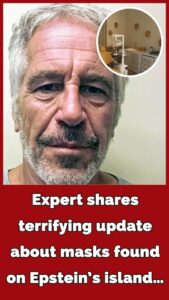
A forensic expert has recently identified several of the eleven unsettling masks displayed on a wall in Jeffrey Epstein’s so-called “fetish room.”
The name Jeffrey Epstein remains synonymous with controversy, stemming from decades of allegations, legal investigations, and criminal charges. Epstein, a financier with extensive connections in business, politics, and academia, was arrested in 2019 on federal sex-trafficking charges. Although he died later that year while awaiting trial, public attention to his life, associates, and properties has persisted.
Interest in Epstein’s case continues to intensify as investigators, researchers, journalists, and the public sift through thousands of documents, travel logs, evidence files, and court records. Collectively known as the “Epstein files,” these materials have long been the subject of calls for full transparency, aiming to shed light on the scope of the investigations.
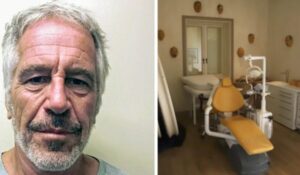
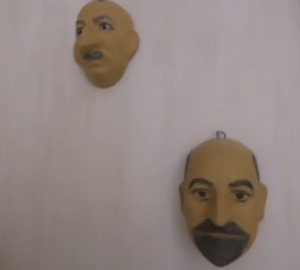
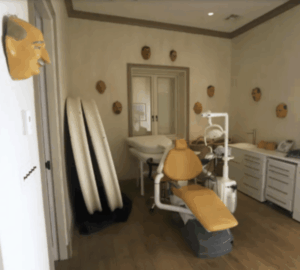
Recently, a fresh wave of scrutiny emerged following the release of photographs from Epstein’s private island, Little St. James, in the U.S. Virgin Islands. The images, published as part of ongoing oversight efforts, provide a glimpse into previously unseen areas of the property. Among the most striking discoveries is a room featuring a dentist’s chair surrounded by eleven stylized male masks mounted on the walls. The masks, all expressionless, have a haunting and enigmatic appearance.
Their origin, purpose, and meaning remain unknown, and no official explanation has been provided. Yet the images have prompted widespread online discussion, with observers speculating whether the masks were decorative, part of a collection, or held symbolic significance.
The broader photo set includes bedrooms, bathrooms, storage areas, and other personal spaces, suggesting that the island served both residential and recreational purposes. Representative Robert Garcia, ranking member of the House Oversight Committee, addressed the release in a formal statement, emphasizing that the materials were made public to enhance transparency and give citizens insight into the investigative process.
Former FBI special agent Jennifer Coffindaffer provided context on handling unusual items found at properties linked to criminal allegations. She noted, “Masks, depending on context, can sometimes be relevant to investigations involving exploitation or concealment,” while also clarifying that there is no confirmed evidence these masks were used in any criminal activity. Forensic analysts typically examine such objects for fingerprints, hair, DNA, or fibers to determine whether they might hold evidentiary value.
Among all the photos, the image showing the dentist’s chair encircled by the eleven mask faces has drawn the most attention. Coffindaffer explained that installing professional-grade equipment on private estates is not uncommon, but the combination of masks and a dental chair would immediately stand out during an investigation due to the unusual setup.
Whether the room served personal, professional, or other purposes remains unknown. Online discussions continue to swirl as curiosity grows about the objects’ origins and their connection, if any, to Epstein’s activities.