Parents Refuse To Abort Baby With ‘Deformity’ – Here’s How He Looks A Few Years Later
When Sara Heller was 24 weeks into her pregnancy, what she expected to be a routine ultrasound became a life-altering moment. Doctors informed her that her unborn son had a cleft lip and palate, a condition that occurs when facial structures do not fully develop during early pregnancy. The news left Heller and her partner, Chris Eidam, stunned as they processed what it would mean for their child.
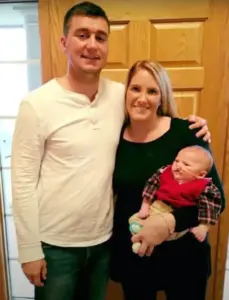
As the initial shock faded, the couple made a decision that would shape their family’s story. Their baby, Brody, would be loved, celebrated, and seen — just as he was. Instead of hiding his diagnosis, they wanted to normalize the condition and raise awareness for other families experiencing the same journey. They began sharing photos of Brody on social media, hoping to shift public perception of cleft differences.
“It is OK to be proud of your baby no matter the circumstances,” Heller shared. “We wanted to change what ultrasound/newborn/first year pictures on our Facebook/Instagram accounts looked like. We wanted to spread awareness of cleft lips and palates.”
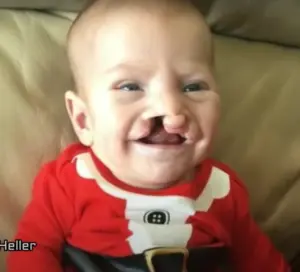
Cleft lip and palate are among the most common birth conditions worldwide, though many people have little exposure to them. Heller and Eidam understood that greater visibility could help other families feel less alone. But they also knew that openness on social media came with risks — including hurtful comments from strangers.
A few days before New Year’s, one Instagram user asked, “What’s wrong with his face?” The remark cut deeply, especially as Brody was only three months old. Rather than respond with anger, Heller chose patience and education. “I decided to educate rather than create a confrontation because that is what I want Brody to do in the future,” she said. “I will want him to educate, to be an advocate for younger cleft kids who don’t have their own voice yet.”
What happened later that evening, however, would shift the family’s entire outlook. While out to dinner with friends, Heller received what looked like a folded napkin from a passing server. Inside was something she never expected — a handwritten message and a gesture of kindness that would soon become part of Brody’s story of resilience.